Fear: Friend or Foe?
What if fear isn’t your enemy but your greatest ally? Explore how this powerful emotion secretly shapes your life and might be the key to unlocking your true self.
The Quest for Self-Discovery
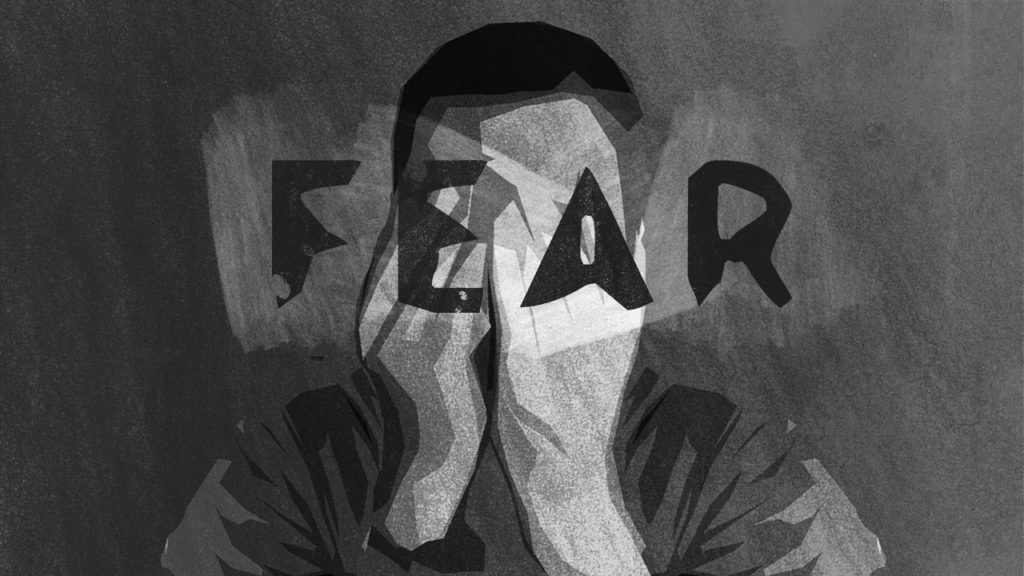
As individuals and members of the human race, we should devote our greatest effort to discovering who we truly are. We often arrogantly proclaim to know ourselves better than anyone else, but do we? When we hear the word “fear,” what’s the first thing that comes to mind? It likely conjures images of trauma and negative experiences. This amalgamation of letters has gripped many of us, playing a significant role in our existence.
Fear’s Significance and History
“Fear.” This small word may seem insignificant, yet it is full of meaning and history. Most people deeply care about their lives, and this tendency exists thanks to fear, even if many tremble at the mere mention of it.
The Denial of Fear
As humans, we have a tendency to deny what we don’t understand. We often deny our fear. This is understandable; we are naturally drawn to heroic narratives. Everyone loves tales of bravery and fearlessness. We revel in stories of victory and triumph. So, why should we care about fear?
Fear as a Fundamental Human Trait
Fear is a fundamental aspect of our humanity. What kind of brave person denies their true identity, unless we are discussing cowardice? Fear is a powerful emotion; it can speak without uttering a word. While fear may make us seem weak or inferior, it can also affirm our humanity. Fear serves as both a guardian and a ruler, governing our choices and decisions. And believe me, ruling is no easy task, especially in an unstable democracy of emotions and chemicals.
Fear as a Survival Mechanism
When the kingdom is under attack, fear can override reason and logic to ensure survival, even if the perceived danger is illusory. Fear acts as a musician, playing the drumbeats of our lives, its music resonating with the world around us. This vibration takes hold of the souls of all living beings.
Fear’s Role in Time and Perception
When fear takes charge, we feel our existence connect with the universe. We sense our lives intertwining with something vast and complex. Time slows down, transforming into something else entirely, while our perception sharpens, turning our world into a battlefield.
Fear as the Overprotective Mother
Fear can be likened to an overprotective mother, striving to shield her children, yet her protectiveness may hinder their growth and limit their potential. This complex emotion plays dual roles, serving as both protector and sage.
Fear’s Parasitic Nature
This inherited facet of our evolution influences our daily behaviors and shapes our character. At times, it turns into a parasite, draining our energy and hindering our progress. Unlike typical parasites, this inner fire originates from our own being; it can stifle our movement or compel us to act impulsively.
Fear’s Betrayal in Communication
This force can sometimes act disloyally, betraying its creator. For example, when our fear of judgment undermines our ability to communicate clearly, it jeopardizes our goals ,whether making a good impression or articulating a point. Miscommunication often leads to misunderstandings.
The Overwhelming Force of Fear
Viewing the world from this perspective can be enlightening, even if we cannot prove we share the same perceptions. When fear becomes overwhelming, it can manifest as a mentally unstable individual grappling with severe trust issues. This emotion does not easily relinquish control over our destiny or our capacity for change.
Fear’s Relationship with Learning and Future Prediction
Fear compels us to obsess over predicting the future and learning from the past, as it intensely despises pain, especially when repeated. Fear’s aversion to pain fuels our motivation and imagination, enabling us to predict effectively and avoid obstacles. Surprisingly, fear can accelerate the learning process.
Fear’s Role in Human Beliefs
This complex chemical response empowers human beliefs and convictions, adding a unique spark that transforms them into dogma, shaping our behavior. Fear renders beliefs unquestionable; when we deny our beliefs, we deny our identity. All humans have standards, fortified by fear. Without fear, we are nobody. Fear is, in essence, us.
Modern Fears and Illusions
Our fears of change, rejection, the unknown, failure, loneliness, dissatisfaction, and unmet expectations are illusions that have become overly significant in our lives. While desire undeniably influences these fears, they have overshadowed fear’s original purpose: survival and the preservation of our existence.
Mental Survival in the 21st Century
We still engage in the same primitive survival game, but today’s survival is more mental than physical. In the 21st century, we battle internal dangers and threats. The technological and scientific revolution has shifted our struggles from the external world to our minds.
Emptiness and the Human Spirit
Homo sapiens no longer strive to coexist with the external world; our focus has shifted to mental survival. Humanity, with its problem-solving tendencies, may even create challenges just to enjoy overcoming them. While we abhor pain, we also cannot tolerate emptiness.
Fear and the Freedom of Choice
The human spirit is unaccustomed to emptiness and the freedom of choice. We thrive under pressure. Fear, once selected by nature for survival, has become less useful in a world dominated by peace. Our violent nature, no longer expressed physically, threatens either our destruction or our evolution.
The Inner Predators
If violence once protected us from external threats, today’s predators reside within us. Can we protect ourselves from ourselves and our potential actions? This is a question we must explore.
The Future of Fear
We try to envision virtual dangers to validate fear, but how long can this continue? Is it possible that fear will eventually be selected out by nature and become obsolete? If fear’s only remaining role is in competition, isn’t that more closely related to greed, desire, and humanity’s inherent hunger for power and occupation? Can fear survive in the modern world? That is the question.
Written By: Habib Riden






Share your thoughts