

Culture
JTI 2025: Theatre upon shadows

Published
10 mois agoon
[simplicity-save-for-later]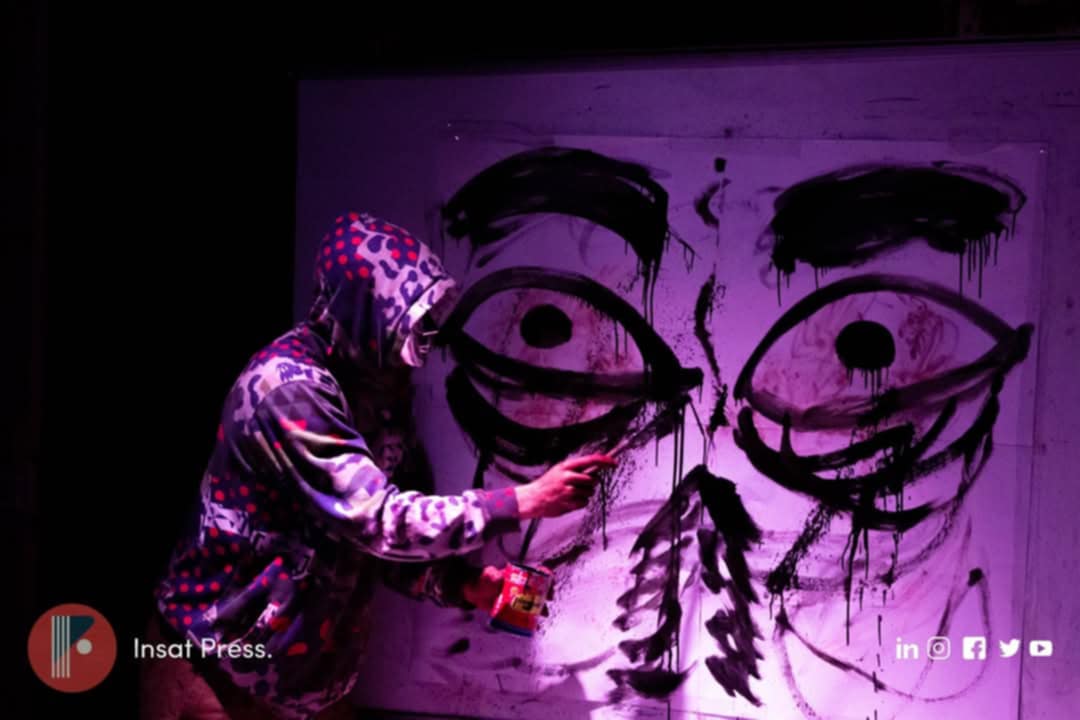
Introduction:
The 26th of February was a day to remember for the « Theatro INSAT » club. The famous JTI(INSAT Theatro’s yearly event) took place in the auditorium, marking its 9th edition and adding not only excitement and anticipation to the students but also yet another captivating performance brought to life by the talented members who showcased a remarkable blend of creativity and professionalism. In fact, despite being science devotees, it did not prevent them from thriving in the realm of artistry. Furthermore , this work reflected their passion and commitment to this club. Thanks to their work and dedication, they achieved an astonishing comeback that exceeded our expectations by encompassing a variety of artistic forms (visual art, music, literature, performances, etc.).
Addressing in theatrical form a difficult but unavoidable issue, this little production confronted the horrifying reality of pedophilia, shocking both head and heart. Brazen in theme and refined in approach, the play was significant not merely for its boldness but for the excellent standard of its script, written by the talented student Rayen Nasraoui. Written with sensitivity and courage, the script treated a grim subject with sensitivity, never resorting to clichés but leaving space for empathy, understanding, and thought. Its impact was remarkably lasting. Audience members left the theatre touched, reflective, and talking. All in all, it was a whole unvarnished, unflinching examination of how society deals with the taboo of pedophilia and how it’s brave enough to tackle issues of trauma, morality, and humanity’s capacity to confront the unthinkable.
1st piece:
The play starts with the duel between two yet-to-be-introduced protagonists, which ended With the victory of one over another, it was a full dramatic scene, which was not comprehensible, enhancing the mystery of the play, especially with the good light work, which was mostly wandering between dark blue and black, and the choice of the
heart-pumping music only adding to the thriller, keeping the viewer intrigued, asking themselves what will happen next.
Soon after, this play allowed us to witness fresh, unidentified protagonists who were in the process of saying goodbye to the deceased. The lights went out, casting long shadows. across the faces of the gathered characters. One by one, they took the opportunity to express their sorrow, all in unison ,wishing farewell with eyes pouring liquid utter despair.
Each glance yielded elongated sighs unarticulated in goodbyes, mourning enveloped around straining hearts, cleansing the soul. This moment transported us to an area in which grief turned to poetry, while silence drowned any words the line had to offer, especially with the help of the background music, which expressed their grief perfectly. Afterward, we marked in this scene a shift from dark drama to the complete opposite. It was unquestionably a clever
way of criticizing the issue dealt with in this play, with the help of many indirect jokes that held meaningful messages as a way to express various ideas and criticize this issue.
Later on, we finally got introduced to the characters who were previously mourning their late beloved friend; each character had a unique personality and brought their strengths and
weaknesses to the plot El Omda, the leading personality in the group, instantly takes over the role of the person who is in command. Her domineering nature is evident in the way she talks. and even walks,
always calculating, always manipulating. With either veiled threat or endearing charm, El Omda dominates, obviously showing that she derives kicks from having authority over people both psychologically and socially.
Most directly counter to her is Eregued, a man characterized by his sloth and complete lack of connection to the real world. Apathetic and indifferent, he seems. not to notice the strife around him. His indolence is not just physical, but also mental and emotional. Eregued is the
kind of passive observer who finds it Preferable not to know than to take action, even at significant risk.
And then there’s the Psychopath, arguably the most unstable of the three. His personality is characterized by a combination of violent temper, drug abuse, and emotional instability.
Always on the verge, he is easily manipulated, particularly by El Omda, but he has a certain acuteness that makes him different from Eregued. Underneath his unstable behavior, there are moments of intelligence and consciousness, which make him both unpredictable and
fascinating.
The next scene becomes more light-hearted with a comedic battle staged by El. Omda, in which both Eregued and the Psychopath vie. This scene, while comic at face value, skillfully strips away still more layers of both characters. Eregued’s Laziness is played for comedy,
with exaggerated slowness and clueless responses that speak to his isolation. The Psychopath, on the other hand, arrives at the competition with bloodthirsty ferocity, taking even the most juvenile difficulties and turning them into stormy outbursts. The contrast between the two provides for comic relief as well as additional insight into their personalities, all choreographed under the guidance of the watchful, dictatorial eye of El Omda. This moment, full of physical humor and sharp dialogue, is not only entertaining but also gives us
a further understanding of the characters.
2nd piece:
He steps into the light slowly, a man wearing a simple, white mask that hides every trace of who he is, yet somehow, makes him feel deeply exposed. In his hand, he holds a brush, and in front of him stands a pure, untouched canvas. He entered without hesitation; he didn’t need to speak, as his presence alone was merely enough to prove his confidence.
The music doesn’t start softly this time, but boldly, pulsing with intent. He picks up the brush and begins to move. Every stroke is deliberate. Every step is part of the rhythm. He’s not just painting; he’s performing, commanding the stage with the ease of someone who has done this a hundred times in his mind. He lifts the brush and begins to move. Every stroke is deliberate. Every step is part of the rhythm, and as he paints, the image starts to emerge slowly: a single, dark eye. It’s not just a shape; it’s a feeling. It’s alive with something unspoken. The eye becomes clearer, more intense. As he finished, the music started to fade slowly, yet the eyes of the audience were wide open as they processed the amount of artistry and dedication to perform
such a well-fluid-paced scene. This is no improvisation; this is choreography, precision, and mastery.
As the dark lights went out and the stage became bright again, we found ourselves inside a modest but beautifully arranged art gallery. Each painting seemed to be carefully chosen, and standing at the heart of it all was Abderrahmen, a man in his late thirties and a painter impeccably dressed but with a casual air. His eyes, however, were sharp, a little too sharp. They scan the room like they’ve seen more
than they let on, a warm, golden room filled with lovingly chosen art. Paintings stand like silent sentinels, each one with its personality. The eye, painted earlier by the masked artist, remains a quiet focal point. He is arranging several other canvases, standing on the stage with composure, sleeves rolled up tightly, and a smile . The gallery door opens, and a woman in her late thirties enters with her teenager, perhaps thirteen years old, curious, slightly distant, but very obviously still drawn to the paintings.
They both pause just inside the doorway, absorbing the atmosphere. The woman’s eyes light up as she walks slowly from piece to piece. The teen lingers behind but eventually starts to follow, interest quietly growing.
Abderrahmen notices them and steps forward, his voice low and welcoming.
he says gently. “Welcome.”
The woman smiles and expresses how much she likes the paintings as she looks through the gallery.
They speak softly, easily. She asks about the paintings and lingers in front of the painting of the eye. So does the teenager; as the conversation continues, she expresses how much her kid is fond of art, as much as she is.
The scene ends with the three of them standing in front of the painting Abderahmen, the woman, and her child, each seeing something different in the same dark eye. A quiet connection begins to be formed, not just between them and the painting, but perhaps with something more, something that is about to be discovered.
Later on, a small family enters: a well-dressed man, his poised but gentle wife, and their daughter, a young girl, perhaps in her early teen years, curious-eyed and full of shyness as she follows her mother’s steps all along. They wander in with an acquiescent awe, letting the art pull them from piece to piece.
Abderrahmen approaches with practiced charm. Greeting them with a smile, he gestures subtly toward the painting of the eye.
The family is drawn to it almost immediately. The daughter steps closer, clearly intrigued. Abderrahmen watches her more than the painting, but never too obviously.
He continues speaking mostly to the parents, but his words seem to drift around the girl. Afterward, the man and his wife seem to have a fight over buying the painting, where the wife is completely fond of it and decides to buy it. Her husband doesn’t agree due to his financial problems. Ultimately, burdened by both love and shame, the man approached Abderrahmen with reluctant steps. There was history between them; they had been study buddies in school, and he used that common background
as a key, opening a common memory of poorer, hungrier days. Abderrahmen overheard and, seemingly moved, but his gaze shifted to the man’s daughter with quiet interest. The conversation was brief but charged with unstated realities, which led Abderahmen to finally agree on this deal. Sitting alone with a suppressed smile, he regarded the family with an expression that no one else seemed to catch, satisfied, perhaps, but not quite pure.
Later on, Abderahman visited them, carrying chocolates as gifts to the little girl. The family welcomed him in, expecting a painting deal. But once seated, he announced his mission: he wanted to marry their daughter. The room was silent. The girl, a teenager at best, stood fixed in the hallway, her face slowly crumbling into daze and horror. The mother paled. The father stood, incredulity giving way to rage as he realized what Abderrahmen was. No matter how hard he struggled, could it be hidden anymore that this man is a monster, A PEDOPHILE? The father’s rage broke the silence, a flood of shouting and horror. Abderrahmen tried to justify himself, but his words fell flat, unnerving in their softness. The visit ended in chaos.
3rd scene:
The setting shifts drastically. The play now enters a quiet new era. It is a psychiatric hospital, where everything is stripped to its essence. Abderrahmen, no longer the elegant gallery owner, finds out that the mask he has lived with all along during his life is finally taken away from him.
We’re introduced to a doctor trying to reach his core because he doesn’t fully believe he belongs there. Yet Abderrahmen resists. He speaks eloquently, even convincingly, of being misunderstood as a victim, not a predator. He defines himself in words as someone broken down by others and not at fault for the injury he caused.
But behind the polished words, a tougher struggle brews. When he’s alone, the performance breaks. In one of the rawest moments of the play, he turns inward, confronting his reflection, not in a mirror, but as an inner voice, sharp and relentless.
The voice reminds him of what he’s done, of his victims’ screams, of the silence after the door slammed shut. He tries to argue, justify, and say he never meant harm. But the voice doesn’t let him escape. The ghosts of those he’s hurt live in his memory now, and they speak louder than reason.
In a haunting monologue, under harsh lightning, Abderrahmen is arguing with himself, his inner voice growing louder and crueler, exposing his past and mocking his excuses. Not as a villain seeking forgiveness, but as a broken man searching for answers. His voice trembles not with guilt, but with urgency. “Is it my fault? That my
uncle has touched me when I was a child? That I learned pain before I learned kindness? Is it still me who’s to blame… when I only passed down what I was given?”
The question hangs heavy. There is no answer. The lights fade slowly on Abderrahmen’s face, caught between denial and damnation, a man imprisoned not just by walls but by the echoes of his crimes, destined to relive them in silence for the rest of his life.
CONCLUSION:
It is no small feat to raise such a sensitive and important story in life, but this play accomplished this with maturity, courage, and artistic sense. Approaching the sensitive topic of pedophilia with care and sensitivity requires not only skill but also courage. Rather than relying on shock value, they followed the path of psychological realism, depicting trauma, consequence, and ripple effects of abuse through
generations in terms of deeply developed characters and vividly described scenes.
The musical direction in this production was a standout feature. From the eerie, rhythmic underscoring that had accompanied the dance of the painted mask to the barren sound world in the psychiatric ward, the music was not background filler; it was a character in its own right. It propelled emotion, increased tension, and pulled the audience further into the stage. The sound design proved a keen understanding
of how silence, distortion, and melody can speak what words cannot.
Each element, whether it was writing, acting, directing, staging, or sound, coalesced with professionalism and purpose so much greater than one would usually find in a student production. Most striking, the play did not romanticize nor justify the darkness it showed. Rather, it created space for critical awareness and compassion, employing art as confrontation rather than escape.
By doing this, these students showed us that theater can be socially dangerous and deeply human, an art form that doesn’t just entertain but inspires tough conversations. This was not just a show. It was a statement.
written by Hiba Daghesni.
Articles similaires


You may like
Culture
الفزعة: صرخة مسرحية تكشف ما يخشاه الصمت
Published
4 mois agoon
7 décembre 2025 [simplicity-save-for-later]
ألج الغرفة بنار من الفضول تتوهّج في داخلي، فتحرق ضلوعي. يداعب وجهي دخان ثقيل؛ أهو دخان الغموض المكتوم، أو الفقد المحتوم، أو الفناء المنبوذ؟ أهو خلاصة الغضب المكبوت، أو الحزن المأثور، أم الهدوء المنشود؟
أجلس بعيون شاخصة في مقعد كدت أستعذب راحته لولا طواف أجساد بدت ساكنة رغم خطواتها المترددة، أو ربما هي ساكنة في واقع غير الذي نعيشه. كانت شبيهة بأشباح كُسيت ثياباً سوداء؛ لعلها رمز الخوف، بل هي رمز الحداد… أو لعلها ظلّ السلطة، تطوف بلا هوادة على درجات القاعة الظلماء، تحمل ضوءاً أبيض خللته لوهلة الحقيقة في ثوبها الناصع.ء
نطقت « الأشباح » لفظاً واحداً: « يا نبيل ». هنا أكاد أجزم بأنها تبحث عن فقيد. ظلّت الأجساد تدور، متفرّسة في الوجوه. خطواتهم تعبث بأوتار العود فتبعث موسيقى توحي بالتوتر بقدر ما توحي بالتفتيش المُلحّ اليائس. الجو مشحون بموجة من الارتباك، فأجدني لا أنصت إلا لصدى صراخهم. أكاد أنتفض من مكاني فأصرخ معهم: « يا نبيل، يا نبيل اخرج، علّك تريح هذه الأرواح المفزوعة المعذّبة ».ء
بدأت الأضواء تتجمع في قلب الركح، كأنها تريد أن تصرخ معلنة أن ما يجمعها همّ واحد وهدف موحَّد، على ثلاث مستويات، فإذا بهم مدرّج ينحدر بنا نحو الحقيقة. « شبيكم نسيتوها؟ » تنطلق الجوقة في التقريع والتأنيب، وتمحو الغموض عن قرية هي الجنّة المنسية المتروكة، وتعرّفنا بخصال سكانها البسطاء على أنغام « l’amour est un oiseau rebelle ».
وبمقطع موسيقي راقص، تناثرت مشاعر التوتر لتحل محلها بهجة تلاعبت بها درجات الأضواء الصفراء. وهنا نشدّ الرحال لنكشف الستار عن مكنونات هذه الشخصيات التي بدت من خلال أزيائها وحركاتها وطباعها المختلفة والمشوقة.ء
يتقدّم نبيل في هذه المسرحية بصفته اسماً اختير بعناية ملحوظة، إذ تتجسد فيه قيم النبل والبذل وتتجذّر داخله مشاعر المحبة الصادقة والإخلاص. فهو الطبيب الذي حاول جاهداً أن يكون صورة المثالية: صبوراً، إنسانياً، عطوفاً، صوتاً للمصلحة العامة والمنفعة الشاملة. غير أن هذا النبل نفسه كان نقطة ضعفه، إذ خضع في لحظات عدة لوسوسات المشاعر وهفوات العواطف، خاصة تجاه أسرته التي أحبها حباً شديداً، فكان انسياقه وراء أحاسيسه سبباً في النهاية المأساوية التي لقيها.ء
وقد بدا جلياً منذ بداية المسرحية حين فضّل مساندة شقيقه علي، متغافلاً عن الخطر الذي يمثله منتجعه، فدفع ثمن هذا التجاهل غالياً. وأكثر ما رسّخ صورته في الذهن سترته البيضاء التي لم يتخلّ عنها حتى برفقة أسرته، كأنها رمز دائم للوفاء والصدق وتذكرة بأن مصلحة الجميع مسؤوليته. ء
وعلى طرف النقيض يقف علي، أخ الطبيب؛ الرجل المهمش المتقلب الذي يشكّل، في ذاته، جملة من المشاكل الاجتماعية والانهيارات النفسية. رغم محاولاته البائسة لإثبات وجوده، فإن استخفاف الجميع به وتجاهلهم زرع داخله شعوراً مريراً بالاستنقاص والاحتقار. وما إن حقق نجاحاً بسيطاً حتى تحول هذا النجاح إلى الشعلة التي غذّت داخله رغبة عمياء في الانتقام؛ فأصبح المنتجع وسيلته لنيل رضا الناس واهتمامهم، لا لأجل منفعة حقيقية، بل ليعوّض سنوات النبذ والنسيان والانكسار.كان يدرك تماماً حجم الأذى الذي يتسبب فيه للأرواح البريئة، لكنه كان يرضي ضميره المتألم بتبريرات واهية من قبيل أنه « يخدّم في برشا ناس ». في تلك اللحظة يتجسد علي كتجسيد رمزي للشركات التي تحتكر الأسواق التونسية وترهب الدولة لمجرد أنها تشغّل الآلاف. ومع السلطة التي حازها، صار يحكم فلا ينصف، ويأمر فلا يعدل. الثروة والجاه أعمياه عن قيمة الإنسان، وعن قيمة أسرته، وعن حقيقة نفسه؛ فكان جبنه وخوفه مخفيَّين خلف حجاب من المكر والتحيّل. وعن طريق المداهنة والتصنع استغلّ مشاعر الآخرين و نبلهم. أما علاقته بنبيل فكانت علاقة قائمة على النفور والغيرة القاتلة المتجذرة في ذكرياته، وقد برز ذلك عبر أضواء الركح التي فصلتهما إلى حلقتين متباعدتين من النور، مجسّدة في جوهرها قصة قابيل وهابيل: أخ يغدر بأخيه الذي مدّ له يد العون، فتطاله لعنة الندم والانهيار إلى الأبد… دلالة على هشاشة الملهيات المادية أمام صلابة الروابط الإنسانية. ء
هذا النزاع الملحمي كان قابلاً أن يُمحى بتدخل شخص واحد، هو الترياق السحري الذي يشيد جسراً سرمدياً بين نبيل وعلي: للا البية. بدل أن تكون البرد والسلام الذي يطفئ نار ابنها الأكبر المستعرة، كانت سبباً في أن تزيد الطين بلّة وتوسع دون قصد الهوّة بين ولديها. رغم ما مرت به من صعوبات، إلا أن دروس الحياة لم تكن كافية لتغييرها؛ فهي التي عاشت على الكفاف مع زوجها الأول، لم ترضَ بسوسن زوجة لابنها، فرفضتها بقسوة واحتقار وتجاهلت مشاعرها. ء
للا البية كالغيمة السوداء التي تدرّ غيثاً نافعاً ولكنها تحجب الشمس؛ فهي تُعنى بأبنائها، لكن كتمها الدائم وعدم تواصلها الفاعل معهم خلقا جواً من البغض والكراهية. وما هذا إلا نتاج غياب الإحاطة اللازمة والمساندة النفسية المطلوبة منها. كونها أماً، كانت قادرة على السيطرة على الوضع منذ البداية، لكن تأنيب الضمير الذي يقضّ مضجعها تجاه ابنها الأكبر كان المانع الوحيد. ء
من قلب الظلام والعتمة يبرز نور الأمل؛ من صميم عالم تحكمه الشرور يختفي الخير في خيال سوسن. شخصية قوية بمبادئها، قيمها أعظم وأجل من أن تدهسها الأطماع رغم المغريات. هذا الملاك الطاهر لم يتخلّ لحظة عن أخلاقه وتمسك بأسرته، لكنه وُظّف بالتوازي لنقد الطباع الأزلية الطريفة التي تلازم المرأة: النميمة والفضول المفرط. ء
حول هذين الأخوين تتحرك بقية الشخصيات في دوائر متشابكة. نبيلة، زوجة نبيل، تمثل الوجه الآخر لنجاة؛ فكلاهما وجهان لعملة واحدة اسمها: المادة. نبيلة، بقلب قاسٍ ميت وروح داكنة لم تعرف الحب يوماً، اعترفت بأنها لم تُحب نبيل قط، وأنها رضيت بالزواج منه فقط لأنه طبيب مثقف ذو مكانة. هذا الموقف يلخص كل شيء فيها: محتقرة، أنانية، مستغلة، لا ترى الناس بجوهرهم بل بمظاهرهم. المفارقة أنها معلمة تنشئ أجيالاً؛ وكأن في شخصيتها نقداً عميقاً لواقع يصير فيه المربي متغطرساً يرى قيمته فيما يجمعه من مال لا فيما يزرعه من قيم. ء
إلى جانبها ترتسم نجاة كامرأة مادية، لا ترى قيمتها إلا في زينتها وجمالها. صورة صارخة لغريزة أنثوية تعيش في تحدٍّ دائم مع الأخريات. طوال العرض تحاول مجاراة نبيلة، وقد جعلت من سعادتها رهينة تجاوز نموذج وضعته هي معياراً للنجاح. هوسها بالجمال أنساها الأخلاق، فقبلت بالمنتجع رغم معرفتها بالخطر، فبدت كمن يسير خلف البريق ناسياً الحقيقة المظلمة خلفه. ء
يقف خلف نجاة بروز صطورة، أو إن صحّ القول: الضحية الأولى لأنانية نجاة العمياء. هو باختصار صورة تقليدية للرجل الذي يسعى في جهد جهيد لإرضاء زوجة لا ترضى. علاقته بزوجته مثال مصغر لعائلة تونسية، عوض تكوين جو عائلي دافئ تخلق محيطاً من التنافر والتباعد، وهذا ما ينعكس تماماً في الطباع التي ينقلها الأبناء. فمنير، الذي في ظل غياب التأطير والإحاطة، صار نموذجاً حياً للمشاكسة والاختلال. ء
هذه العلاقة الزوجية الفاترة قائمة على ثنائية: الطلب الملح المتواصل، وتحقيق الطلب، وإن كان لا منطقياً، مستحيلاً. ء
ما شد انتباهي أيضاً أن هذا الدور، رغم غايته الكوميدية، رسم بإتقان ملامح الرجل التونسي النمطي. فصطورة، الذي يرى في داخله أنه عاجز عن إرضاء زوجته، يتجه بلا تردد إلى إخفاء هذا العجز بالتودد والتقرب من غيرها من النساء، فكأنه يسعى للبحث عن قيمته في مكان غير مكانها. فحقيقته حتماً تنبع من داخله لا من رضا الناس. ء
النقص الذي يعيشه صطورة يتحول لا إرادياً إلى تعنيف متواصل، برز خاصة في علاقته بخنيفس؛ شاب رغم سذاجته يحمل طموحاً. بغض النظر عن محاولاته البائسة في أن يكون فاعلاً، إلا أن استخفاف الجميع به يخلق في داخله نوعاً من الاستنقاص والاحتقار لذاته، فيبقى بذلك عاجزاً عن تحقيق وجوده وماهيته. كان حضوره طريفاً، تماماً كحضور رجب الذي يخفي داخله جانباً مكسوراً. بضحكاته هو قادر على تزييف قناع من القوة والمسؤولية، يتفانى في تصميمه مستعيناً بنزعته الكوميدية التي باتت أكبر برهان على وحدته التي تضعفه وخوفه الذي يخفيه. ء
رجب تجسيد آخر للبعد المادي في المجتمع؛ كيف لا وهو يعنى بسيارته وعنايته بزوجته، وهذا دليل قاطع على قيمة « الميكانيك » على حد تعبيره، والأولوية الكبرى التي يوليها له. يختفي رجب ليترك الأضواء للزربوط. شدّني هذا الدور بشدة؛ فالزربوط بدا فكاهياً من درجة رفيعة، لكنه في ذات الحين وثّق بامتياز ثلاثة خصال في شبابنا: الجهل، التكاسل، والانحراف. ء
الزربوط، الذي يجهل المغرب، بل لا يكتفي بجهلها ويتعرف عليها على أنها « بلاد الشيخة »، جسّد بامتياز التيه والضياع الذي يعانيه الشباب التونسي. رغم أنه يتظاهر بالتجارة والعمل، إلا أنه يرفض قبول عرض صطورة المغري، ويرضى بمصدر رزقه اللامضمون بخلاً وتعنتاً. ملابسه تصديق لطباعه؛ فهو يرتدي رداء نوم يخفي فيه أغراضاً لا معنى لها يبيعها. ء
كان الحضور الشبابي واضحاً كذلك بظهور حفّار القبور، الذي يعكس تطبيقاً فعلياً للاستنزاف واللاإنسانية. فالإنسان يفقد قيمته حتى وهو جثة هامدة جامدة؛ جثث تُسلب ممتلكاتها قبل أن تُدفن، في قبور تُحجز لمن يدفع أكثر. أي على الأصح: إن لم تتصدر قائمة الواهبين الأثرياء، فلا مكان لك حتى بين الأموات. اسمه يوحي بدناءته وطمعه؛ فهو يسلب الموت حرمته ونواميسه، بل ويتمادى في انتهاك حدوده وقوانينه. لذا، بلا شك، كان المنتجع بالنسبة له استثماراً هاماً في سوق الأموات، يتزايد من خلاله الإقبال على المقابر والطلب على المدافن. ء
أمام الخطر الداهم الذي بات يهدد راحتها، انتفضت الشخصيات واتحدت للتخلص من المنتجع. لكن كلمة واحدة من العمدة كانت كفيلة بأن تثني عزائمهم. من خلال هذا المشهد يبرز نجيب وسماح، صحفيان يتزاحمان لسرقة الأضواء. ء
بدت سماح مرآة تعطي بتفانٍ اللامسؤولية وغياب الاحترافية؛ الصحافة بالنسبة لها مورد رزق ومجال للتعبير والترويح عن الذات. بكل عفوية تبث للمتقبل مواضيع لا معنى لها، ثرثرة مشتتة تلهي ولا تنفع. ء
أما نجيب، فالصحافة عنده تفقد مصداقيتها ونبلها، فيصبح هدفها الأسمى ومسؤوليتها الأولى: إخراس أصوات الحرية، وإبادة المعارضة والرفض. قد تبدو عليه احترافية، لكنها زائفة؛ بلا أساس. الشفافية والصدق قوام الصحفي وروح علاقته بالشعب. بغيابهما يغدو مداهناً متملقاً، ضبعاً ينتظر بقايا الأسود حتى يعيش. لذا، يعتبر نجيب نقداً صريحاً ومباشراً لواقعنا الذي نعيشه: لا صحافة تمثلنا ولا إعلام ينصفنا. ما شدني أيضاً هو الأساليب التي يوظفها نجيب لإخفاء الحقائق: اختيار متكلم بعينه ليمثل المظاهرة، وتشتيت المتقبل بالانتقال من المشاكل الحقيقية لمواضيع أخرى تافهة لا شأن لها بالمصلحة العامة. ليس إلا تلاعباً بالشعب وإلهاءً مستفزاً ومسكناً لردات أفعاله وأفكاره. ء
آخر الشخصيات ظهوراً أشدّها وطأة: رباعي الاستبداد، الذي يمثل دائرة سجنت في داخلها أرواحاً معذبة، محطمة، لا شفاء لدائها، وأنّى لجراح القهر أن تندمل؟
ينطلق الإعصار الدائر المنتفض من دليلة، امرأة رضيت أن تُنعت بالجنون وما هي بمجنونة، ولكنها جعلت من الجنون وسيلة لنحت عالم تكون فيه الأحلام كالأوهام، والأحزان كالأشباح. أمّ فجعت بفقد ابنيها، حُرمت حتى من رثائهما وبكائهما. تحت وقع الصدمة لم تتقبل الواقع، وفرّت نحو عالمها الخاص، حيث يجتمع شملها بأبنائها رغم مسحة الجنون التي تتخفى خلفها. بدت الأكثر تعقلاً، فعلى لسانها اعتنقت الحقيقة: « الفلوس وسخ الدنيا يا عمدة ». كلمة ظلت تكررها كأنها تحذر علياً من الوقوع في هوّة الجشع. ء
يواصل الإعصار الدوران فيبرز فتى مكبل مظلوم. القضاء عماد الدولة؛ إذا دُكّ أساسه انهار العدل وإنصاف المظلوم. الصدق في الحكم وإغاثة المظلوم، بغيابهما، يُظلم البريء ويطغى الظالم، ويأفل النور ليترك مكانه لديجور أبدي قاتم. ء
هذا الفتى سُجن ظلماً رغم براءته الصارخة. قاضٍ عاجز عن قول كلمة الحق، ينطق بكذب معتم فاقداً ذمته وكرامته. قاضٍ تحت التهديد والترهيب يحكم عليه بسجن مؤبد قاهر. أليس هذا واقعنا؟
تأبى « الفزعة » الوقوف، وتقذف بأمّ حُرمت أسرتها؛ ضحية تسمم أودى بحياة جنينها وزوجها. أُهينت الروح البشرية حتى تُهدر عبثاً. قد يترك الإنسان كنوز الدنيا وجوهرها ويتشبث بقشة نجاة هي قليل القليل في سبيل سعادته، فإذا ما سُلبت غدت الدنيا ظلماء قاهرة. بألم وحرقة ودموع حارة حارقة تبكي الأم فقدانها، وتوجه أصابع اللوم والاتهام للسلطات التي سمحت لمياه المجاري أن تخترق أنظمتنا الغذائية بطريقة غير مباشرة. ء
ثم على أنغام العود المربكة تدور الدوامة، وتبرز فتى شوّه وجهه ينعى بألم العمال الذين تُسلب صحتهم بغياب سبل الحماية وتُهضم حقوقهم ويُطالبون بالسكوت. أليس هذا القتل بعينه؟ بل هو قتل للروح وترك للجسد عائماً تائهاً حتى ننعته بالمجنون. هي حلقة تُسجن فيها الأجساد في انتظار من يحررها. فهل من مجيب؟
بدا لي هذا الرباعي في تحركه الدائري كإعصار هائج، بل هو سطح راكد يحمل زوبعة غاضبة تنتظر اللحظة التي تفتك فيها بمن حولها فلا ترحم أحداً. ء
كانت المسرحية مزيجاً من الكوميديا الهازئة الساخرة والتراجيديا المؤلمة القاهرة. كانت الأضواء مؤثرة؛ فدرجات الأصفر كانت باعثة للبهجة والألم في بعض المواقف، والأحمر للإحساس بالذنب والندم، دون أن ننسى درجات الأزرق التي أضفت نوعاً من البرودة والحزن. إلى جانب الأضواء، كان للموسيقى دور في توجيه مجرى النقد؛ فالأغاني ذات الصبغة الوطنية عبرت عن مقدار الألم الذي نحمله في أعماقنا تجاه الحال الذي غدونا فيه، جامع الغناء والرقص بين الجانب الغربي والشرقي، مما جعل العمل الفني موجهاً لمختلف الفئات. ء
الأزياء كانت عاكسة لطباع كل شخصية، مما مكّن من فهم معمق لمجرى الأحداث. أما بالنسبة للتوضيب الركحي، فقد كان حضور الممثلين بارزاً، وتوزيعهم متناسقاً متماسكاً، وربما ذو تأثير غير مباشر على المشاهدين: المستويات الثلاث، الجوقة، التقابل الدائم توحي بالتصادم بين عليّ ونبيل. ء
كانت مشاعري وعواطفي تنساق في انسياب بين خفة الكوميديا وحرقة التراجيديا. أن تشاهد ألم الواقع معروضاً أمامك مريح ومربك في الوقت ذاته؛ فأنت أمام الصورة القبيحة لمجتمع خبرته وأحببته. هزّت أوصالي قشعريرة في مختلف المواقف وامتزجت أحاسيسي. لكن ما كنت أوقن وجوده في داخلي هو الفخر بانتمائي للمعهد الوطني للعلوم التطبيقية والتكنولوجيا، حيث يمتزج الجد بالهزل، والإبداع بالحياد. فلا تستطيع إلا أن تشاهد العرض برضا وتشوق. ء
من خلال التناسق الواضح بين الممثلين والتقنيين، يمكنك أن توقن أن عملاً بمثل هذا الإتقان لا يكون إلا لقاح صداقة متينة تجمع بين أعضاء « تياترو ». لا يسعني إلا أن أسأل بحماسة وفضول: ماذا تجهزون للعرض القادم؟
Articles similaires
Share your thoughts

Share your thoughts